
What are the biggest safety risks in the average home?

Key Takeaways

  • The most common household risks include fires, electrical hazards, slips and falls, and carbon monoxide exposure.
  • Everyday items like space heaters, appliances, and cluttered walkways can pose hidden dangers.
  • Preventive steps—such as regular maintenance, smoke detectors, and safe storage practices—dramatically reduce risks.
  • Homeowners insurance provides financial protection, but prevention is the first line of defense.

Your home is your sanctuary—but it can also be full of hidden dangers. From kitchen mishaps to faulty wiring, the average house contains multiple safety risks that can cause injury, damage, or even loss of life if left unchecked. Understanding these risks is the first step to creating a safer living environment for your family.

Here are some of the biggest safety hazards found in the average home and how to protect yourself against them.

Fire Hazards

House fires remain one of the most significant risks for homeowners. Cooking is the leading cause, with unattended stovetops and ovens sparking thousands of fires each year. Space heaters, candles, and faulty electrical wiring also contribute to fire risks.

To reduce the chance of fire, never leave food cooking unattended, keep flammable materials away from open flames, and use space heaters with automatic shut-off features. Smoke detectors should be installed on every floor of the home and tested monthly. Fire extinguishers in the kitchen and near fireplaces provide additional peace of mind.

Electrical Hazards

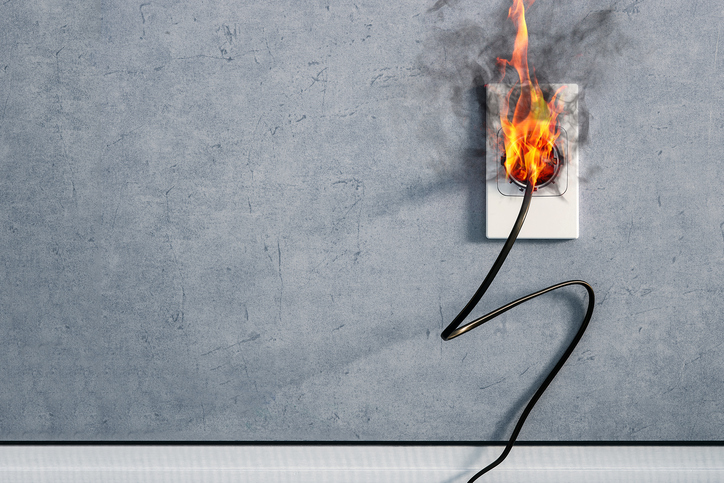
Modern households rely heavily on electricity, but outdated wiring, overloaded outlets, and damaged cords can create serious hazards. Extension cords running under rugs or furniture can overheat and spark, while do-it-yourself electrical work often leads to dangerous mistakes.

Scheduling regular electrical inspections, replacing worn cords, and avoiding overloaded outlets are simple but effective ways to prevent accidents. Using surge protectors and upgrading old wiring also lowers the risk of fire and shock.

Slips, Trips, and Falls

Falls are the most common cause of household injuries, especially among children and older adults. Loose rugs, cluttered hallways, wet bathroom floors, and poorly lit staircases all contribute to the danger.

Prevention involves keeping walkways clear, securing rugs with non-slip pads, installing grab bars in bathrooms, and ensuring adequate lighting throughout the house. Outdoors, snow and ice should be promptly removed from driveways and sidewalks to protect both residents and visitors.

Carbon Monoxide and Gas Leaks

Carbon monoxide (CO) is a colorless, odorless gas that can be deadly. It’s produced by fuel-burning appliances such as furnaces, water heaters, stoves, and fireplaces. Faulty equipment or poor ventilation can allow CO to build up unnoticed.

Installing CO detectors on each floor of the home is essential. Regular maintenance of furnaces, chimneys, and gas appliances reduces risk. If you ever smell gas or your detector sounds an alarm, leave the house immediately and call emergency services.

Water Damage and Mold

Leaky pipes, roof damage, and basement flooding can cause significant water damage, which often leads to mold growth if not addressed quickly. Mold not only damages property but can also trigger allergies and respiratory issues.

Preventive measures include inspecting plumbing and roofing regularly, cleaning gutters to avoid water buildup, and using dehumidifiers in damp areas like basements. Promptly fixing leaks and drying wet areas can stop small issues from becoming costly repairs.

Poisoning and Chemical Exposure

Many everyday household products—from cleaning supplies to pesticides—can be hazardous if ingested or improperly stored. Children are particularly at risk for accidental poisoning.

To minimize danger, store chemicals in locked cabinets and never mix cleaning products that can create toxic fumes. Medications should also be kept out of reach and disposed of safely when expired.

Security Risks

While we often think of safety in terms of accidents, home security is also a major concern. Break-ins and theft can not only result in financial loss but also cause emotional distress.

Installing strong locks, security cameras, and motion-sensor lighting can help deter intruders. Alarm systems and neighborhood watch programs add extra layers of protection.

Why Prevention and Insurance Go Hand in Hand

Addressing these common household risks is the best way to keep your home safe, but accidents can still happen. That’s why homeowners insurance is so important—it provides financial protection when unexpected damage or liability occurs. From fire damage to slip-and-fall claims, the right policy ensures your family has the coverage needed to recover quickly.

At John B. Wright Insurance Agency, we help New Jersey families protect what matters most. Our team works with you to identify risks, recommend preventive steps, and provide tailored insurance solutions that fit your needs and budget.

FAQs

What is the most common household safety hazard?

Fires are among the most common and dangerous risks, with cooking accidents leading the statistics. Falls are also a leading cause of household injuries.

How can I make my home safer right away?

Simple steps include testing smoke and carbon monoxide detectors, decluttering walkways, securing rugs, and storing chemicals safely. Small actions can greatly reduce risks.

Does homeowners insurance cover accidents inside the home?

Yes. Most policies cover fire, water damage, theft, and liability for injuries that occur on your property. Reviewing your coverage regularly ensures you’re protected against the most common risks.

Privacy Preference Center