
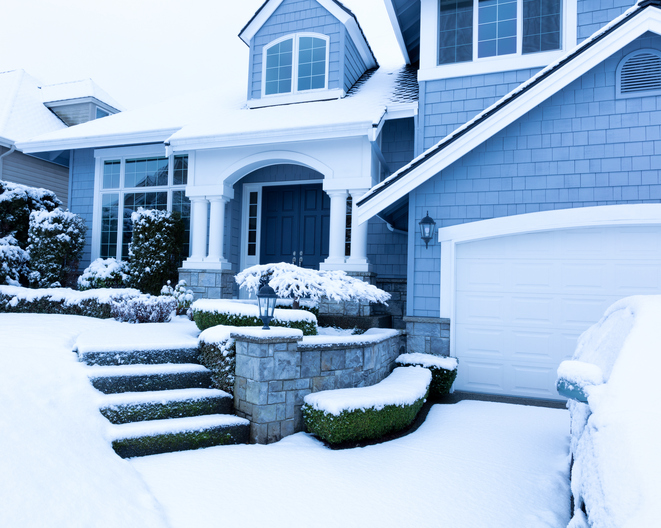
Simple Ways to Winterize Your Home and Vehicle
Key Takeaways
- Winterizing prevents costly weather-related damage. Preparing your home and car before cold weather hits helps avoid repairs, accidents, and insurance claims.
- Basic maintenance steps make a big difference. From sealing windows to checking tire pressure, small tasks can keep your property and vehicle safe all winter long.
- Prevention reduces energy costs and safety risks. Proper insulation, heating system maintenance, and emergency prep can save money and prevent hazards.
- Insurance plays a key role in winter preparedness. Reviewing your homeowners and auto policies ensures you’re covered if winter weather causes unexpected damage.
Why Winterization Is Essential
Winter storms, freezing temperatures, and icy roads can put homes and vehicles under tremendous stress. For homeowners, frozen pipes, roof leaks, and ice dams can lead to thousands of dollars in repairs. For drivers, slippery roads and mechanical issues increase the risk of accidents and breakdowns.
Taking time to winterize both your home and vehicle before the first freeze can help you avoid emergency repairs, insurance claims, and dangerous situations. It’s a small investment of time and resources with major payoffs in safety, comfort, and peace of mind.
How to Winterize Your Home
A properly winterized home stays warm, safe, and energy-efficient throughout the coldest months of the year. Here’s how to prepare:
Inspect and Maintain Your Heating System
Schedule a professional inspection of your furnace or boiler before winter begins. A technician can clean the system, replace filters, and check for issues that could cause breakdowns when you need heat the most. For older systems, upgrading to a programmable or smart thermostat can help maintain consistent temperatures while saving on energy costs.
Protect Your Plumbing from Freezing
Frozen pipes are one of the most common winter hazards. When water freezes inside pipes, it expands, creating pressure that can cause pipes to burst. Insulate exposed pipes in basements, attics, and crawl spaces. During extreme cold, let faucets drip slightly to keep water moving and reduce the risk of freezing.
If you plan to leave your home for an extended period, consider shutting off and draining the water supply to prevent costly surprises when you return.
Seal Drafts and Insulate
Heat loss through windows and doors not only makes your home less comfortable but also drives up energy costs. Apply weatherstripping around doors, seal gaps with caulk, and use storm windows or plastic window insulation kits to keep the warm air inside.
Adding extra insulation to attics and crawl spaces can also help maintain indoor temperatures and prevent ice dams on the roof.
Clean Gutters and Inspect the Roof
Clogged gutters prevent melting snow and ice from draining properly, leading to water backups and roof damage. Before the first snow, clean out leaves and debris. Check the roof for loose shingles or damaged flashing to ensure it can handle the weight of heavy snow.
For flat roofs, consider hiring a professional to remove excess snow after major storms to prevent structural strain or collapse.
Prepare for Power Outages
Winter storms can bring down power lines, leaving you without heat or electricity. Keep flashlights, extra batteries, and blankets on hand. If possible, invest in a backup generator to power essential appliances during extended outages.
How to Winterize Your Vehicle
Winter weather can be just as hard on vehicles as it is on homes. Preparing your car helps prevent breakdowns and keeps you safer on the road.
Check the Battery
Cold temperatures reduce battery power, making it harder for your car to start. If your battery is older than three years, have it tested and replace it if necessary. Keep jumper cables or a portable jump starter in your vehicle just in case.
Inspect Tires and Brakes
Proper tire tread and pressure are essential for traction on snow and ice. Consider switching to winter tires if you live in an area with frequent snowstorms. Check your brakes as well—stopping distances increase on slippery roads, so well-maintained brakes are critical for safety.
Top Off Fluids and Replace Wiper Blades
Fill your windshield washer fluid with a winter formula that won’t freeze. Check antifreeze levels to prevent engine damage. Replace old wiper blades to ensure clear visibility during snow and ice storms.
Assemble a Winter Emergency Kit
Every vehicle should carry a winter kit with essentials such as a blanket, flashlight, extra batteries, ice scraper, non-perishable snacks, bottled water, and a first-aid kit. Sand or kitty litter can help provide traction if you get stuck on ice.
Insurance and Winter Preparedness
Even with thorough preparation, winter weather can be unpredictable. A burst pipe, fallen tree branch, or icy-road accident can still cause significant damage. That’s why it’s important to review your homeowners and auto insurance policies before winter begins.
Your insurance agent can help you understand what’s covered, whether you need additional protection, and how to file a claim if winter weather causes unexpected losses.
FAQs
What temperature should I keep my home at to prevent frozen pipes?
It’s best to keep your thermostat set to at least 55°F, even when you’re not home, to reduce the risk of frozen pipes.
Does car insurance cover accidents caused by icy roads?
If you carry comprehensive or collision coverage, most weather-related accidents are covered. Check your policy to confirm details like deductibles and exclusions.
How often should I prepare my home and car for winter?
You should perform a full winterization check each year before the first major freeze and continue with regular maintenance throughout the season.
